
Public Vs Non-public Blockchains: A Comprehensive Breakdown
To fully perceive the general public VS private blockchain debate, let’s examine the pros and cons of private Stockbroker blockchains. Hybrid blockchains are often the proper choice when a project wants each belief from outside stakeholders and confidentiality for delicate operations. They are particularly valuable in situations the place some degree of public auditability is essential, however full transparency would expose an excessive amount of. If you wish to see how this model fits into real tasks, check out our blockchain product improvement companies. Quorum is a commercially centered monetary derivative of Ethereum developed by JPMorgan. In sure instances, authorities can delete a certain block in the event that they see it fit.
The Dangers Of Adding Encrypted Information On The Blockchain
Whereas we strive to supply accurate and up-to-date info, we don’t assure the accuracy, completeness, or reliability of any content material. Neither we accept liability for any errors or omissions within the info supplied or for any monetary losses incurred because of counting on this info. Other challenges include consumer adoption, which requires overcoming technical barriers, enhancing person expertise, and making improvement simpler for builders. Another hurdle is integrating legacy techniques, which may show incredibly tough.
Go For Public Blockchain:
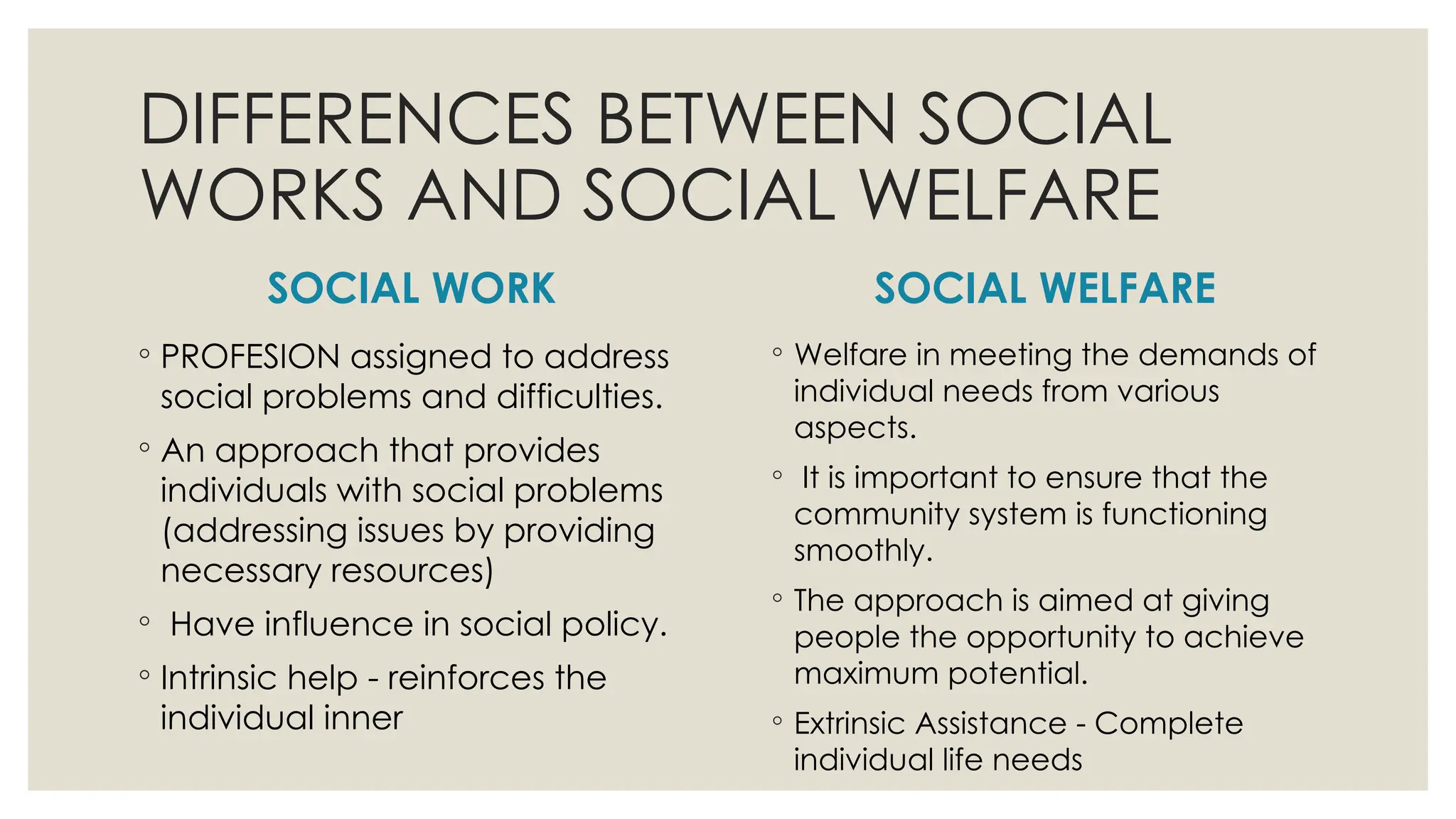
This signifies that anyone cancheck the transaction history at any time. For example, in Bitcoin, you can seeall payments made, though private details stay hidden. Transparency helps tobuild belief as a outcome of no one can secretly change or delete knowledge. A publicblockchain doesn’t have a central authority controlling it. Instead https://www.xcritical.com/, it ismaintained by a network of computers (called nodes) spread across the world.This means no single firm, authorities, or particular person can management or shut downthe network. Last, because the blockchain ecosystem grows, interoperability between public and private blockchain is becoming a priority.

A public however permissioned blockchain might take a couple of types, however it might generally be publicly viewable, and anybody might be granted permission to take part or access it. It’s not about which one is healthier, it’s only about which one is best for you and your specific set of needs. Need enterprise-grade privacy, compliance, and super-fast throughput?
Do Organizations Need To Use Personal Blockchains At All?
Public blockchains that use Proof of Work (PoW) consensus mechanisms require vital computational sources to validate transactions and safe the network. This course of consumes a substantial amount of energy, resulting in issues about environmental sustainability and carbon emissions. For instance, Bitcoin mining consumes more vitality than some small international locations, raising questions on its long-term viability and environmental impression. The selection between private and non-private blockchains typically boils all the means down to a tradeoff between freedom and control.
Non-public Blockchain: Greatest Options
This heightened privateness is especially helpful for enterprises dealing with sensitive data or complying with regulatory necessities. Useless to say, non-public blockchains are rapidly gaining popularity throughout industries, particularly in finance, provide chain management, and healthcare. SMEs are leveraging these networks to streamline operations, enhance knowledge safety, and adjust to rules. And this is all with out the resource-intensive demands of public blockchains. Public blockchains are excellent for purposes that require openness, corresponding to cryptocurrency and decentralized finance.
- Persevering With our exploration of public VS non-public blockchains, we now flip our attention to non-public blockchains.
- Public blockchains are permissionless networks where anyone can participate and open to everyone.
- On OKX, users accessing zk-rollup L2s take pleasure in near-instant deposits, ultra-low charges, and seamless interaction with DeFi and NFT markets.
- A thorough evaluation ensures you choose an answer that meets both present needs and future demands.
- It’s the secret cryptographic code that protects your digital assets and proves you actually own them.
Any individual or node can learn knowledge, submit transactions, and participate in validating the network via mining, staking, or other consensus strategies. This model helps transparency and trust as a end result of knowledge is secured via cryptography and distributed throughout many nodes. Public blockchains are designed to withstand censorship and tampering. That makes them a powerful basis for building decentralized applications, cryptocurrencies, and smart contracts. Public blockchains use energy-intensive consensus mechanisms such as Proof of Work (PoW) and Proof of Stake (PoS). These mechanisms make sure that all members validate transactions collectively.
They are sometimes used for decentralized finance (DeFi), NFTs, and different functions the place transparency and inclusivity are valued. In supply chain administration, personal blockchains permit firms to hint goods from origin to shopper with near-real-time accuracy, whereas public blockchain vs private blockchain defending delicate business relationships. In healthcare, they can retailer patient data securely, guaranteeing that only approved suppliers have entry. Monetary institutions use them to settle interbank transactions extra efficiently, bypassing outdated legacy techniques.