
Explore Key Construction Billing Methods & Best Practices

The payment will be received to distribute funds Online Bookkeeping to subcontractors and suppliers as needed. With this construction billing method, you bill separately for specific parts (units) of the project. You can use it for the project as a whole or just for specific parts, such as pouring a concrete foundation. Review your contracts and determine what billing forms and back-up documents are required for each job.
Increase visibility down the project chain.
- The construction project billing process involves a series of steps to ensure accurate and timely payments are received.
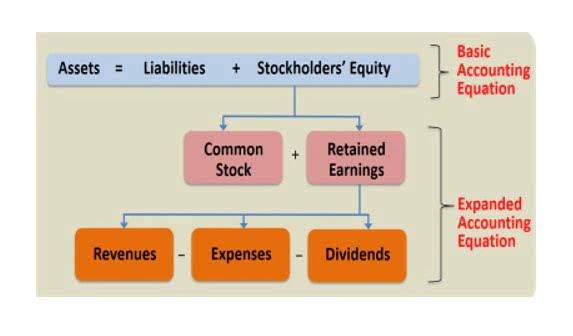
- If you’re not sure how these billing strategies show up in your financial statements, we’ve broken it down in plain terms to help project managers and financial leads get on the same page.
- Owners may offer contractors financial incentives to keep costs low to minimize the uncertainty of cost-plus contracts.
- Here are a few billing methods for construction projects to receive payment for what you deliver.
- Clients can see exactly what they are paying for, which helps manage budgets more effectively.
- 95% of subcontractors say Built is “very easy to use.” We also have training materials and live support available.
Both mechanics lien claims and payment bond claims were specifically tailored to provide recovery options that aren’t as expensive, slow, and risky as litigation. Where a lien or bond claim isn’t available, pursuing legal action or taking to small claims court can always get the job done. Typically, invoices provide for 30 days of credit, though some larger companies even go as high as 120 days. Longer payment terms lead to higher debt ratios which can be fatal to a company’s finances.
Step 2: Tracking Work Progress & Preparing Documentation
Paper billing methods are cumbersome even in the best of times, and they definitely won’t cut it on construction invoice complex jobs. Here’s how the process typically unfolds, although it can vary by billing type. Progress billing involves invoicing based on the percentage of work completed, typically at regular intervals. It’s commonly used on long-term or large-scale projects like highway construction, high-rise developments, or public infrastructure builds where work spans several months or years.
- That’s how you need to clearly state the rise in project costs and obtain client approval before moving ahead.
- The form breaks the contract sum into portions of work that align with the schedule of values prepared by the contractor.
- It helps both contractors and owners stay on the same page regarding the scope of work and payment allocations.
- Then they can code and send expenses directly to the accounting software.
- The converse is Costs and Estimated Earnings in Excess of Billings (Underbilling), which is recognized as a current asset.
- When it comes to deciding how much to bill each project, it will depend on the type of contract you are working under.
Lien Waivers
- This method encourages transparency in costs but can lead to higher overall expenses for the client if not closely monitored.
- Fixed-price billing, also known as lump-sum billing, is a common approach where the contractor and client agree on a total project cost before work begins.
- A strong billing workflow keeps everyone focused on the build instead of chasing checks.
- With the right tools and processes, construction billing can be smooth and painless for everyone.
- By using a contingency fund, the contractor can cover the costs of some changes to the original scope of work.
- The software you choose doesn’t necessarily have to be specific to the construction industry, but it is probably best if it is.
- The bank may put an unexpected stop on construction payments because billing requirements haven’t been met, leaving the GC with interrupted cash flow and spelling disaster for the project.
Plus, late invoices tend to stir up more confusion than those made on time. Be sure that the client receives the invoice while the work is still fresh in everyone’s mind. Supporting yourself with professional construction collaboration software can also ensure the document management process is more automated and efficient. Jayanti Katariya is the founder & CEO of Moon Invoice, with over a decade of experience in developing SaaS products and the fintech industry.

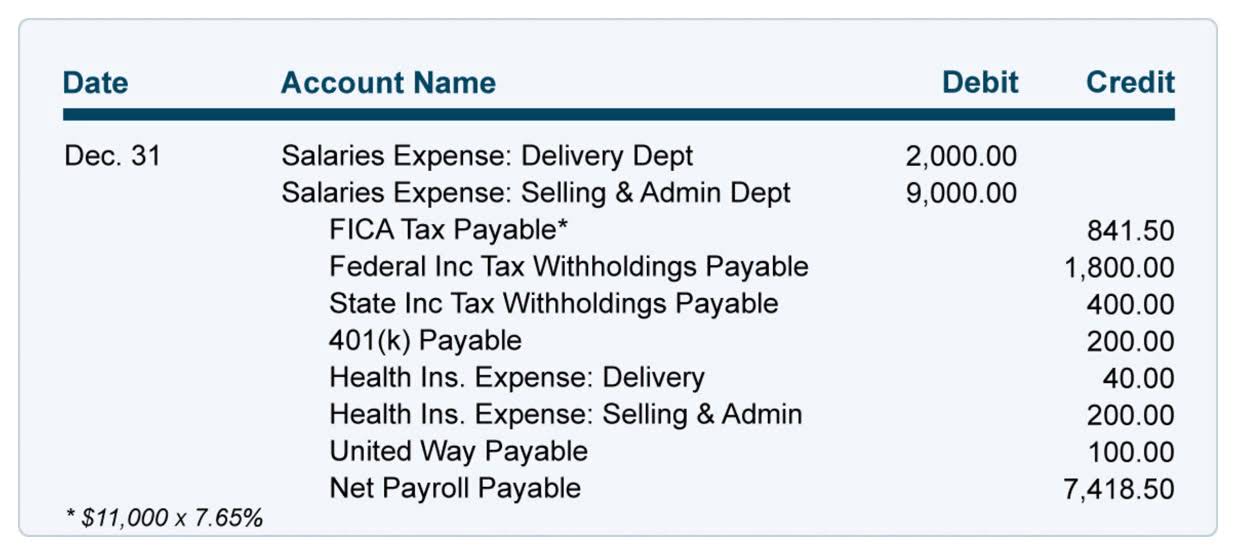
As you’ve learned from reading about the different construction billing methods, invoicing and getting paid can be complex, especially as bookkeeping you take on more projects. You have to come up with a process not just for billing but for tracking and getting paid. It also helps maintain the project’s financial efficiency by accurately recording expenses and project costs.